






Spaces that don’t shout
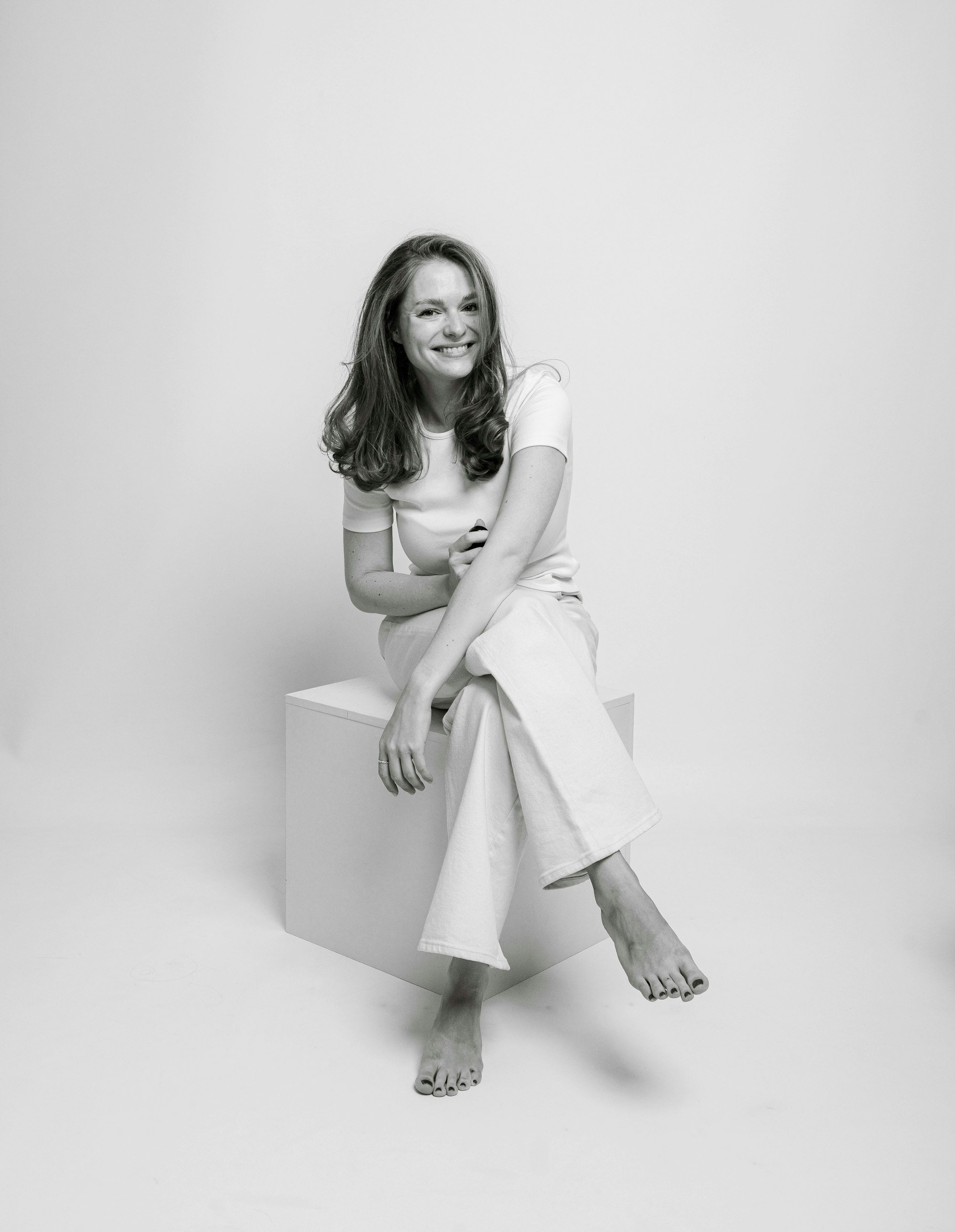
Elizaveta Slyva judges a room over a whole evening rather than the first five minutes, and listens to a space as closely as she looks at it.
What’s one detail people often overlook in a space?
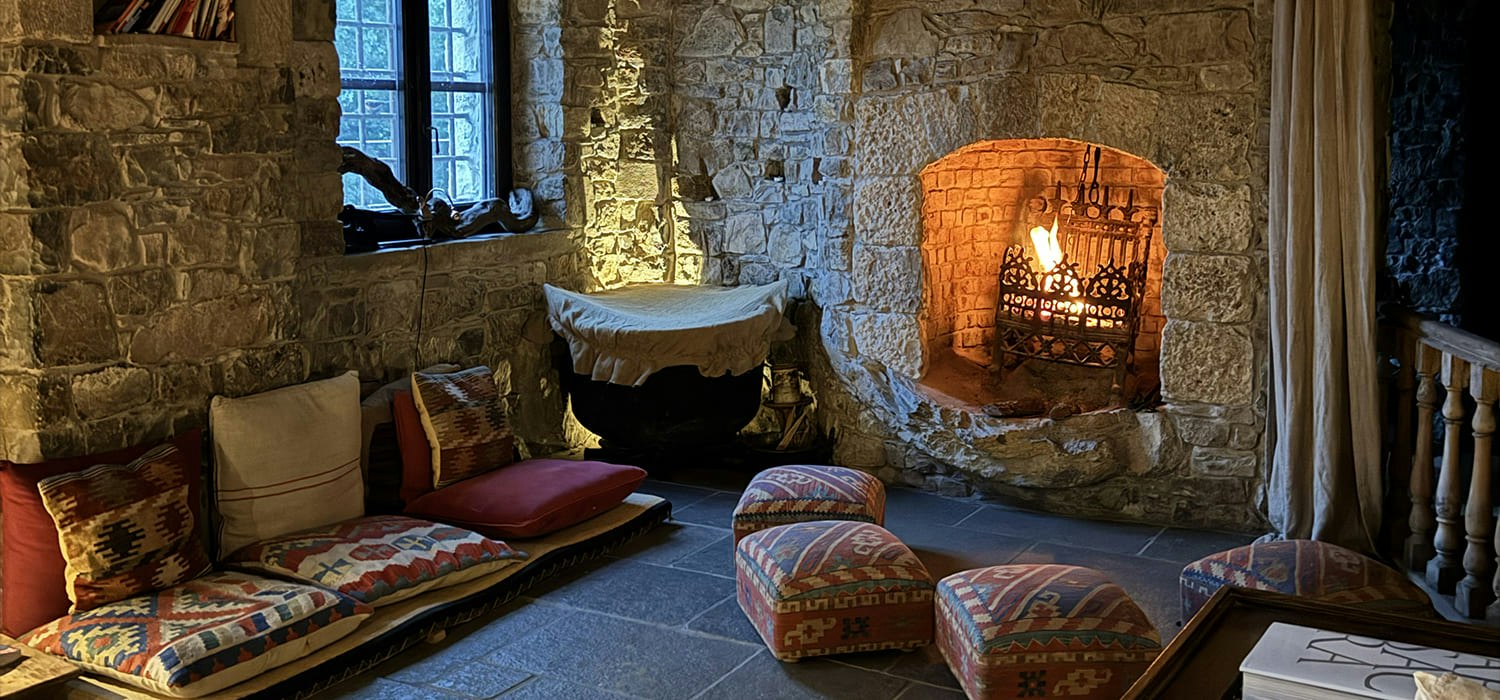
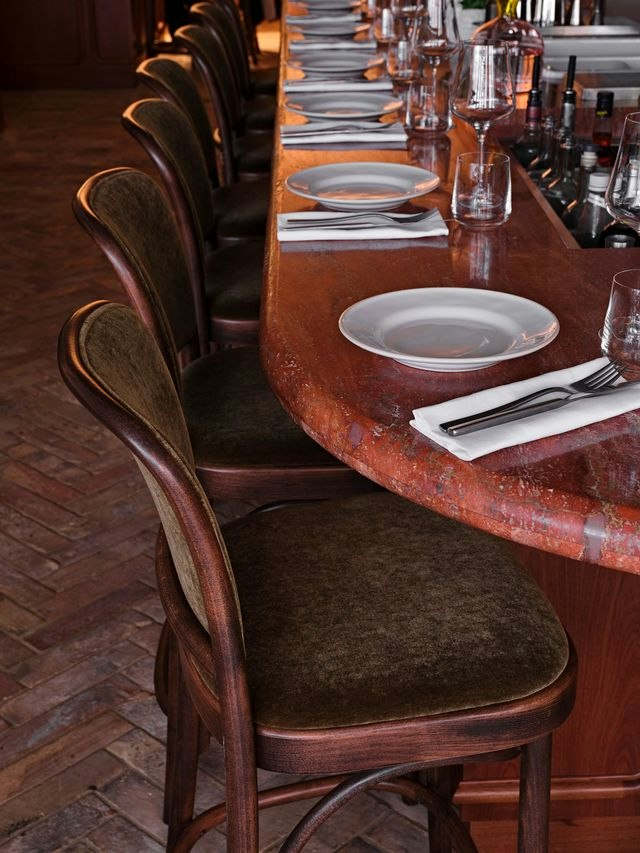
Sound. People spend months choosing marble and lamps and then forget that a room can be beautiful and still exhausting if it echoes. You don’t notice good acoustics, you just notice that you stayed for another glass of wine and actually heard the person opposite you. Materials are the other one. Stone, wood and linen pick up marks and soften over time, and that’s part of why a place starts to feel lived-in rather than tired.
What’s a space that felt right the moment you walked in, and why?
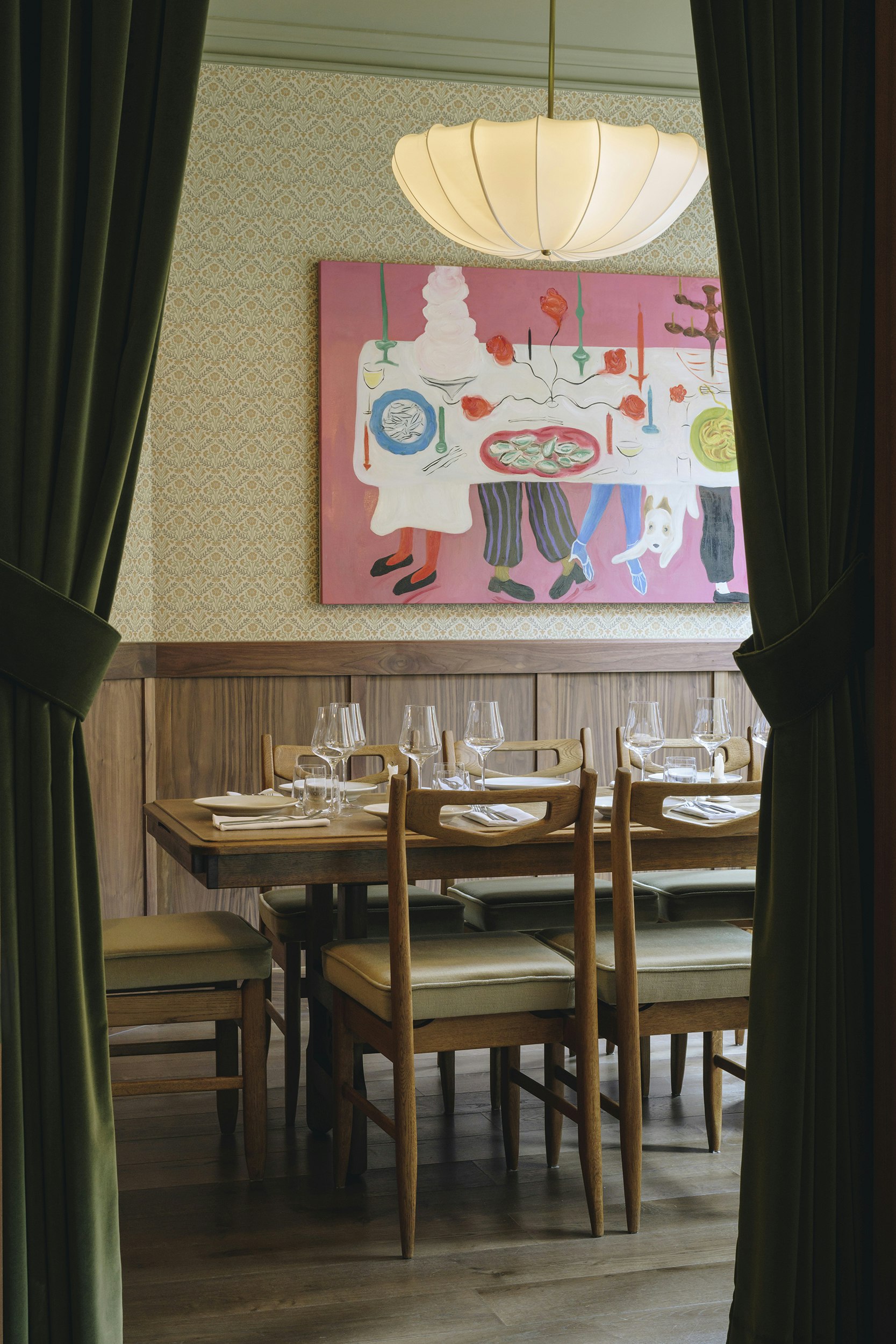
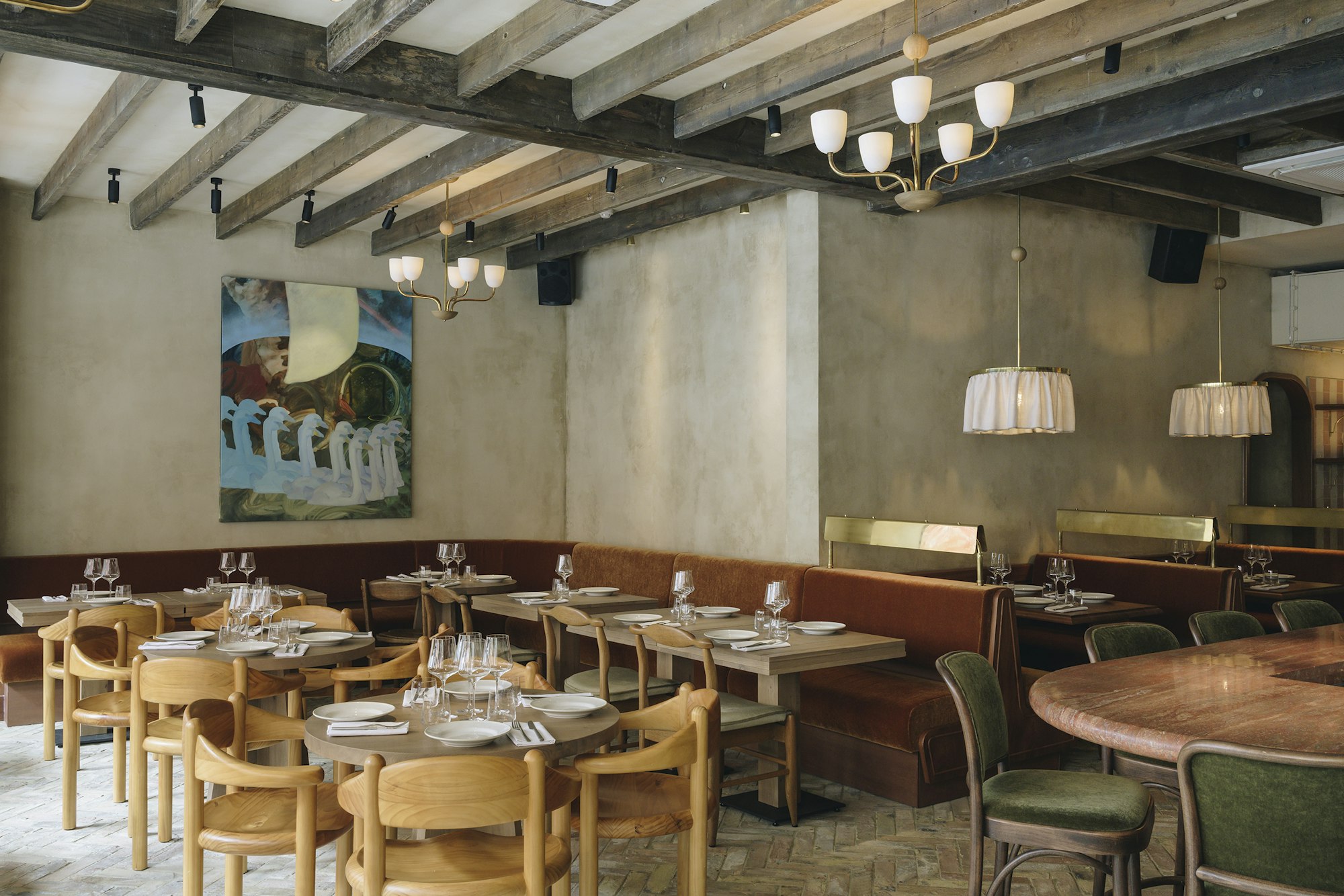
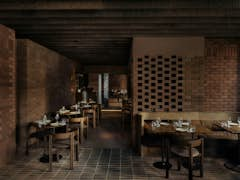
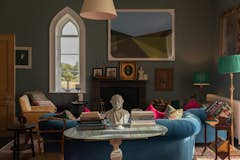
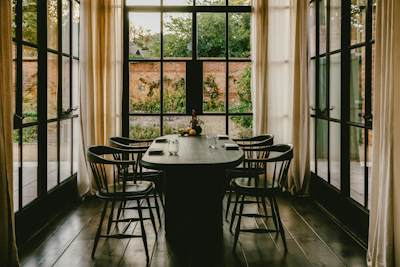
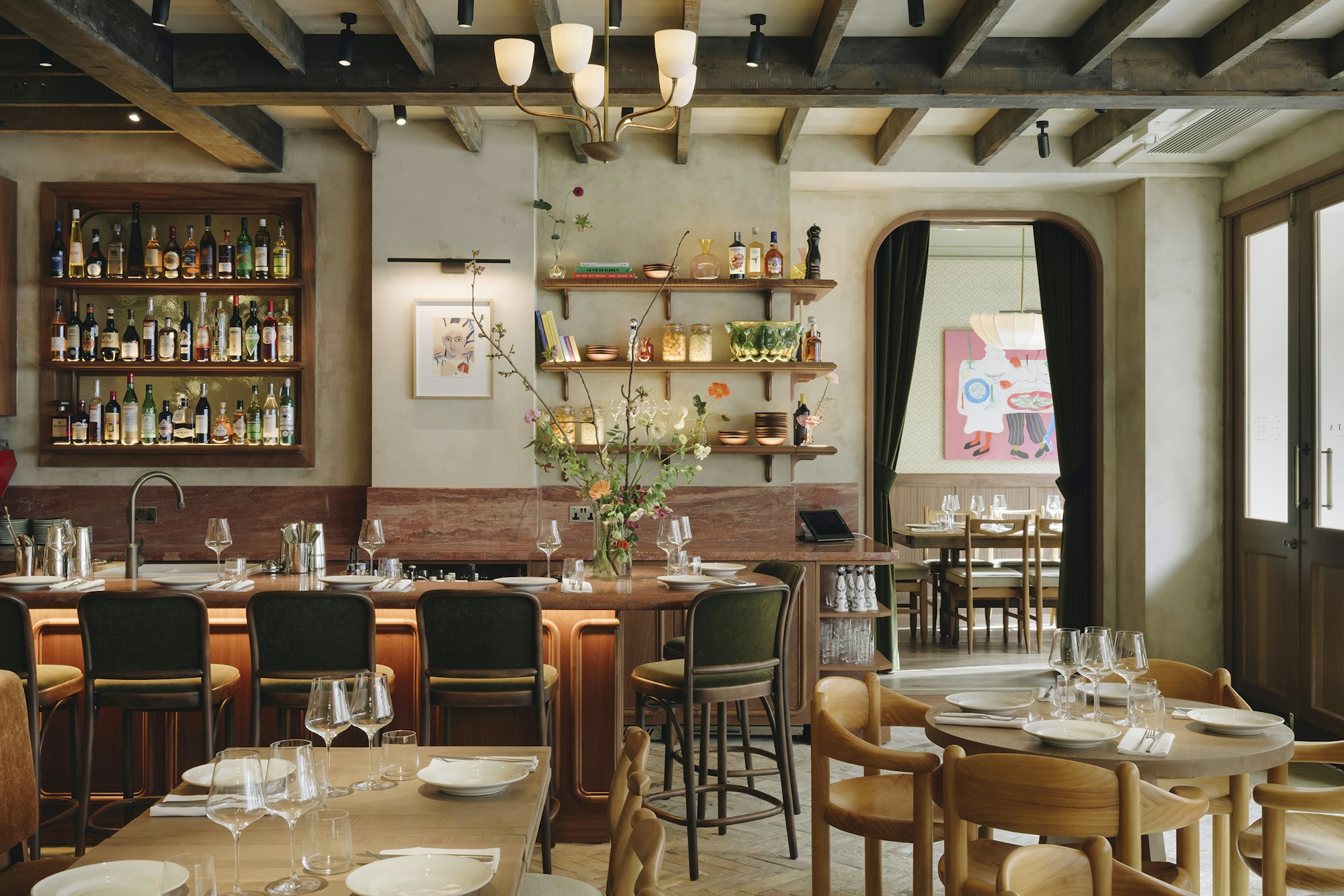
Lita, honestly. I’d lived in Marylebone for a while before I joined the team, and people call it Marylebone Village for a reason: everyone knows each other, there’s the Sunday farmers’ market, the independent shops, all those little side streets. When I first walked into Lita it felt like part of the neighbourhood rather than something dropped into it. In the warmer months we open the bi-fold doors, the terrace runs straight into the dining room, and the whole place becomes one living thing. Inside there are Victorian tiles, Italian marble and lots of old pieces, but also some contemporary twists, like the painting by Jack Penny, a British contemporary artist. I always describe it as a very stylish grandmother. That’s Lita, and for me that’s Marylebone too: cosy and welcoming, but utterly stylish.
What makes a space work, in your view?
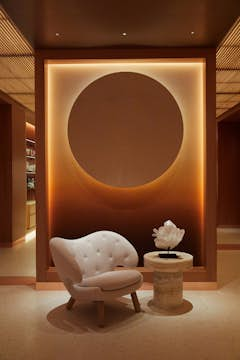
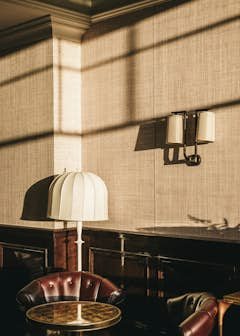
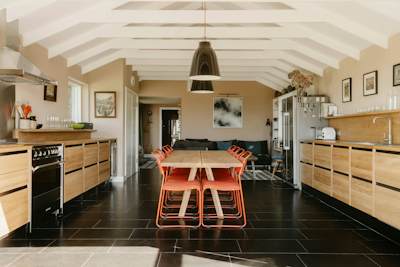
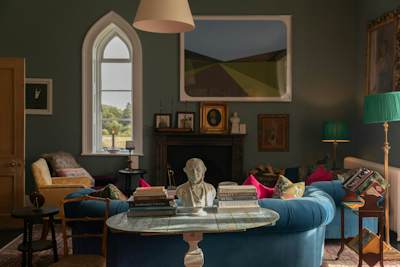
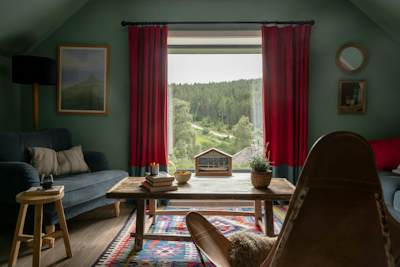
How it feels after you’ve been there a while. Plenty of places impress you in the first five minutes and tire you out by the end of the evening. I’ve been thinking a lot about longevity lately, not as a wellness trend but as a way of designing and living. The spaces that work for me don’t shout. The layout makes sense without signs, the light is soft, the noise doesn’t wear you down, and the materials get better with age. It’s a less obvious kind of quality, but it lasts much longer.
The spaces that work for me don’t shout.
What’s a place you think more people should know about?
in the Swiss Alps, which most people still know as Therme Vals. Peter Zumthor built it in the nineties, almost entirely from local stone, and it’s set into the side of the mountain, so from outside you barely see it. Inside it’s dark and quiet, with pools at different temperatures and light coming in through narrow gaps in the ceiling. People think of it as a spa, but it’s really a lesson in how a building can slow you down. Nearly thirty years on, it still feels completely modern.
Where’s at the top of your list to visit next?
in Umbria. It’s a small retreat in the hills, a bit like a modern monastery, and dinner is eaten in silence by candlelight. I love that it doesn’t try to entertain you, it just gives you space. After that, , which is hidden in a forest garden on the edge of the city, and outside Shanghai, where they moved centuries-old houses and camphor trees from another province to save them from a dam project.